

If you searched this question after seeing Zomedica’s stock suspended — or after noticing the ticker changed from ZOM to ZOMDF — you are not alone. And the answer is more specific than most Reddit threads suggest.
This article covers what Zomedica actually does, what the NYSE American delisting means in plain terms, whether the company has announced a closure or bankruptcy, what moving to OTC trading means for shareholders, and what signals to watch if you want to track the company’s real health going forward.
What Zomedica Does and How It Makes Money
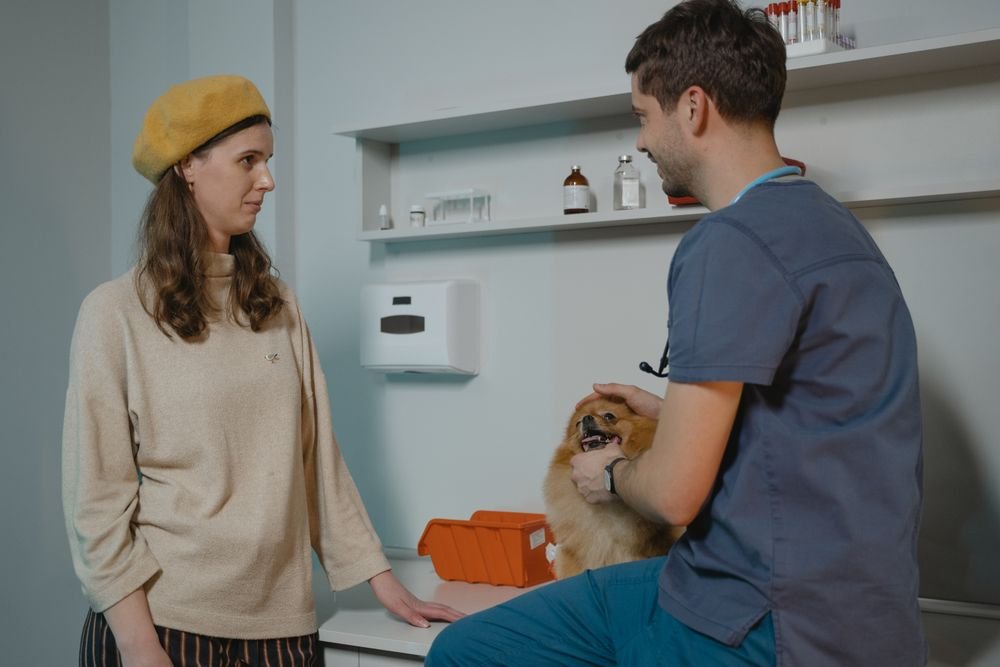
Zomedica is a veterinary health company. It focuses on products for companion animals — primarily dogs, cats, and horses.
The company develops and sells diagnostic platforms and therapeutic devices aimed at clinical veterinarians. Its revenue comes from device sales, and likely from consumables and services tied to those platforms — a model common in medical device businesses.
This matters because Zomedica is a product-based operating company. It is not a pre-revenue shell or a startup with nothing to sell. The veterinary health sector also has long-term growth trends behind it, driven by rising pet ownership and higher spending on animal care. That does not guarantee Zomedica’s success, but it gives context for why the business still has some market value despite its stock performance.
What Happened to Zomedica’s Stock in 2025
In March 2025, NYSE American officially commenced delisting proceedings against Zomedica under Section 1003(f)(v). That rule covers companies deemed unsuitable for listing — in this case, largely due to a persistently low share price.
Trading on NYSE American was suspended. Zomedica’s shares then moved to the OTCQB Venture Market under the new ticker ZOMDF.
If you use Robinhood, you may still see the legacy ZOM ticker with its associated price and market cap data. That can create confusion when comparing figures across platforms, since some still display the old listing information. Treat any specific price or market cap figures you see as snapshots in time — these numbers change daily and should not be taken as fixed facts.
The key point here: the delisting was triggered by a share price issue. It was not caused by a bankruptcy filing, a court order, or a regulatory shutdown of the business itself.
Delisted Does Not Mean Closed — Here Is the Difference
This is the part most people get wrong, and it is worth being very direct about it.
Zomedica has not filed for bankruptcy. It has not announced a shutdown. It has not entered liquidation proceedings. As of the available sources, the company is still operating.
In its own statement about the move to OTCQB, Zomedica confirmed it would continue filing SEC reports and keep its diagnostic and therapeutic programs running. That is not what a company about to close its doors says.
A Simple Way to Think About It
Think of a delisting like a retail store being asked to leave a major shopping mall. The store moves to a smaller location on a side street. It has less foot traffic, less visibility, and fewer people walking past. But the store is still open. The shelves still have products. Staff still show up to work.
A delisting changes where the stock trades. It does not shut down the company’s operations.
This situation is also not unique to Zomedica. Many small-cap companies have been delisted for low share prices and continued operating on OTC markets for years. Some have later returned to major exchanges after improving their finances. The move to OTC signals increased risk and lower liquidity — it does not signal that the business has stopped.
What OTC Trading Actually Means for Shareholders
If you already hold shares, you likely still hold them — now as ZOMDF on the OTCQB. However, not every brokerage supports OTC trading, so you should confirm that with your broker before trying to buy or sell.
OTC markets generally have wider bid-ask spreads and less liquidity than major exchanges. That means it can be harder to exit a position quickly without affecting the price. This is a real practical risk to account for, not just a technicality.
What the Financials and Investor Sentiment Actually Show
Zomedica carries a negative P/E ratio. That means the company is currently losing money — spending more than it earns. This is common for growth-stage medical device companies that are still building market share and scaling their products. It is a risk factor, but it is not the same as insolvency.
Market capitalization figures — while they change daily and should not be treated as fixed — suggest the market still assigns some real value to the business. It is not priced as if it is worth zero. That matters when trying to separate “stock performing badly” from “company is finished.”
What Retail Investor Sentiment Tells You (and What It Does Not)
If you have spent any time in the Zomedica subreddit or related Facebook groups, you have probably seen posts calling the stock “dead” and urging others to sell. One post on Reddit put it bluntly: “I think this stock is dead… not much to win.”
That frustration is understandable. The stock has performed poorly, and investors who bought at higher prices have taken significant losses. But sentiment is not the same as a verified fact about business health.
Retail investor forum posts reflect how people feel about their investment returns. They are not corporate filings, auditor reports, or regulatory notices. Use them to gauge the emotional temperature around the stock — not to determine whether the company is actually solvent.
What to Watch If You Want to Track the Company’s Real Health
If you want to know whether Zomedica is actually heading toward closure, here are the specific signals that would indicate real trouble. None of these have been confirmed in available sources, but they are worth monitoring.
- Going-concern warnings in SEC filings. These appear in quarterly or annual reports when auditors believe a company may not survive the next 12 months.
- Restructuring announcements or major layoffs. These often signal a company shrinking to survive or preparing for asset sales.
- Default notices on debt. If Zomedica fails to meet debt obligations, that will typically show up in an 8-K filing with the SEC.
- Sale of core product lines or IP. Selling the products that generate revenue is often a sign that leadership is winding down operations.
- Suspension of SEC reporting. Zomedica has stated it will continue SEC reporting. If that stops, it is a serious red flag.
The most reliable places to check these signals are the SEC’s EDGAR database and Zomedica’s own investor relations page at investors.zomedica.com. Quarterly earnings calls and press releases from the company are far more informative than stock message boards.
For broader business news and context on OTC-traded companies like Zomedica, OpenBizMedia covers developments across sectors in plain, straightforward language.
The Bottom Line
Zomedica is not going out of business based on what the available evidence shows. It was delisted from NYSE American in March 2025 due to a persistently low share price — not because of bankruptcy, fraud, or a regulatory shutdown.
The company has explicitly stated it will continue operations and SEC reporting. Its shares now trade on the OTCQB Venture Market under the ticker ZOMDF. That move brings real risks — lower liquidity, less visibility, and higher volatility — but it does not mean the business has closed.
Zomedica is a high-risk, micro-cap veterinary health company operating in a growing sector. The delisting makes it riskier to invest in. It does not make the business defunct. If that changes — through a bankruptcy filing, going-concern warning, or formal closure announcement — that information will appear in official SEC filings, not in a Reddit post.
Read Also:
